Use the Right Box Size
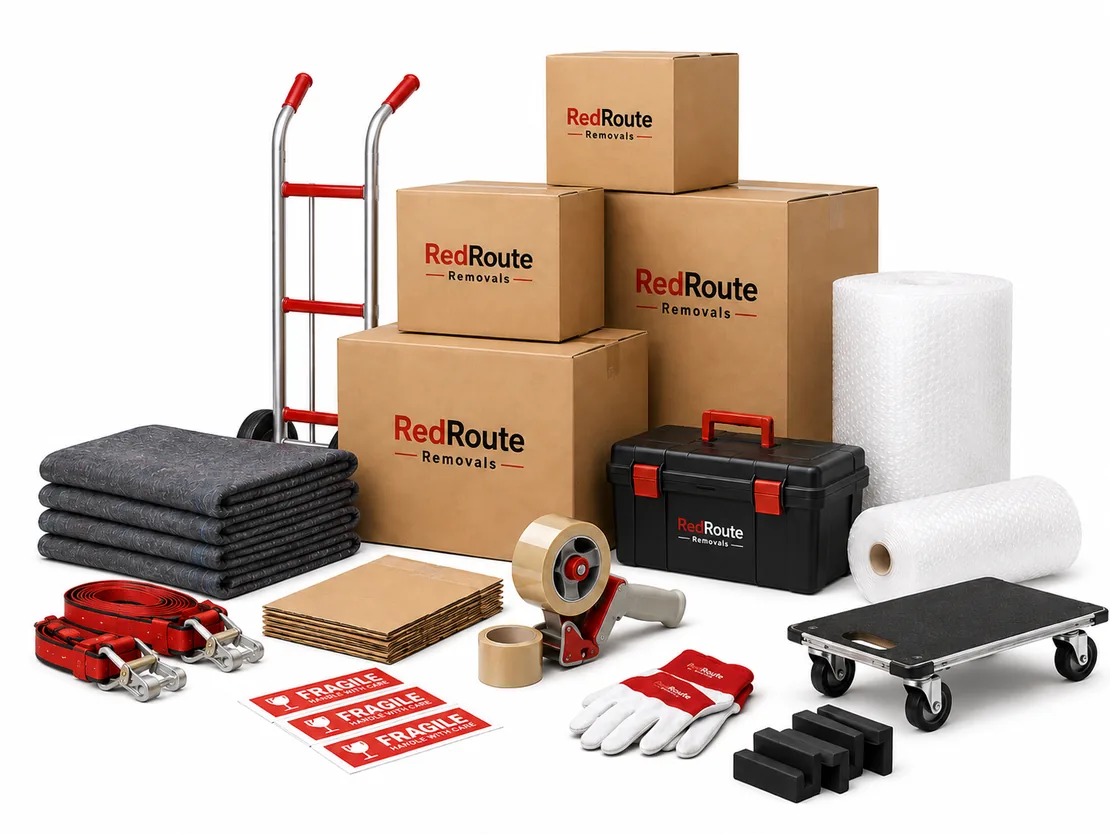
Small, sturdy boxes are best for fragile items. A large box full of breakables becomes too heavy to handle safely, and it gives items more room to shift and collide in transit.
Wrap Everything Individually
- Wrap each item separately in packing paper or bubble wrap, working from a corner so the whole surface is covered
- Pad the bottom of the box with a layer of scrunched paper or foam before adding items
- Fill gaps between items so nothing can move once the box is closed
Pack Plates and Glasses Correctly
Stack plates on their edge, like records, rather than flat — this makes them far more resistant to pressure. Glasses and cups should be wrapped and packed upright, never on their side.
Protect Electronics
Where possible, pack electronics in their original boxes. If you no longer have them, wrap items in anti-static bubble wrap and pack them snugly with padding on all sides, screen protected first.
Label Clearly
Mark fragile boxes on the top and at least one side, and note which way up they should be carried. Keep them separate from heavier boxes so nothing gets stacked on top.
Rule of thumbIf in doubt, pack it like it's the only thing in the box that matters — because to whoever's carrying it, it should be.